
What Is ERP Software for Manufacturing?

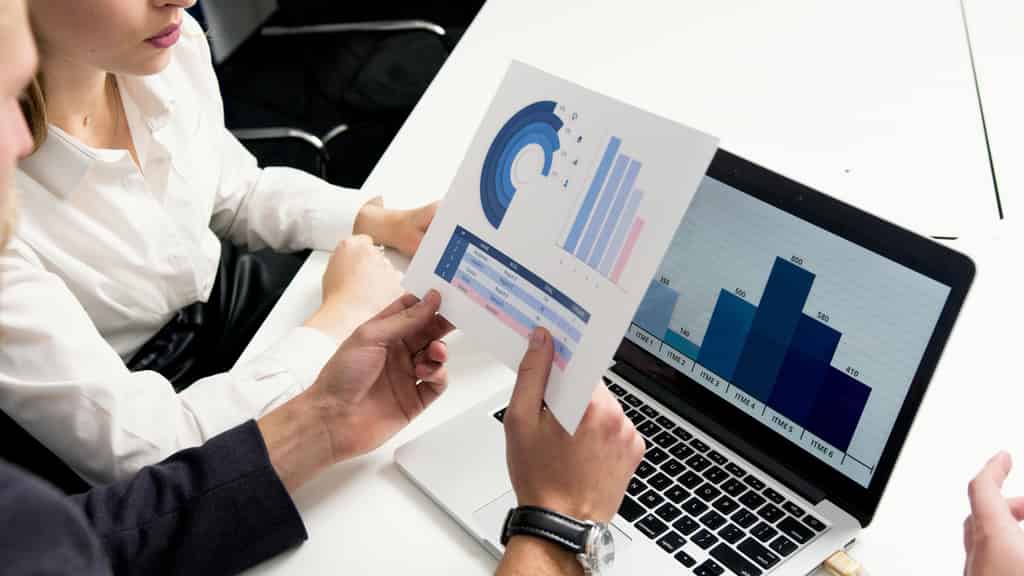
Manufacturing without effective manufacturing resource planning is no longer practical. Using simple tools like spreadsheets and planners works up to a point, but once you have more than a handful of people working from the same resources you quickly feel their limitations, that’s where an ERP platform comes in.

What Is an ERP System?

An ERP system (Enterprise Resource Planning) is a single, integrated software platform designed to run the core processes of your business in one place. Instead of using multiple spreadsheets, notebooks, emails, and disconnected software tools, an ERP system brings everything together into one central system that all departments can use.

At its simplest level, an ERP system replaces manual tracking and duplication of work. Information is entered once and then shared automatically across the business. For example, when a sales order is created, it can immediately update stock levels, production schedules, purchasing requirements, and financial records, without anyone needing to retype the same data.

For businesses that have grown beyond basic tools like spreadsheets, an ERP system provides structure, accuracy, and visibility. For businesses already using ERP software, the right system removes complexity, reduces workarounds, and delivers faster, more reliable information for decision-making.

What an ERP System Typically Manages

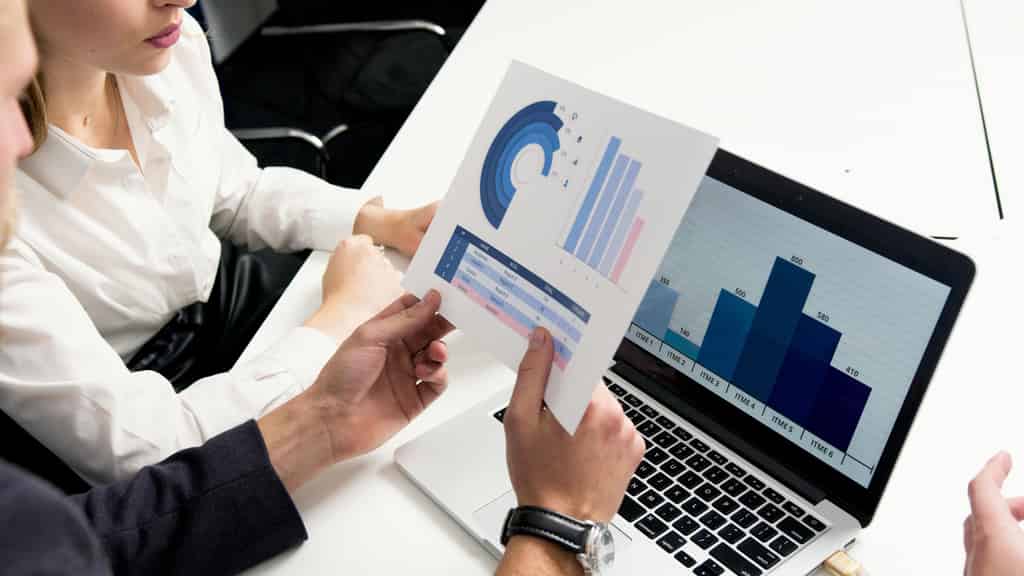
A modern ERP system covers a wide range of day-to-day business activities. These usually include:

  • Sales orders, quotations, and customer records
  • Purchasing, suppliers, and stock control
  • Production planning and shop-floor tracking
  • Quality control, traceability, and compliance
  • Invoicing, costs, margins, and financial reporting
  • Management dashboards and performance insights

Not every business needs every function on day one. Good ERP systems are modular, allowing you to start with what you need now and expand as your business grows.

How an ERP Improves Accuracy and Efficiency

One of the biggest advantages of ERP software is automation. Tasks that once required manual updates across multiple systems are handled automatically in the background. This significantly reduces errors and frees up time for more valuable work.

For example, stock levels update automatically as goods are received or dispatched. Production status updates in real time as work progresses. Financial figures reflect actual activity rather than estimates compiled at the end of the month.

This level of accuracy helps teams work with confidence and gives management reliable data for planning, forecasting, and growth.

Sustainability and innovation concept

Why Many Businesses Outgrow Spreadsheets

Spreadsheets are familiar, flexible, and easy to start with, but they are not designed to run an entire business long-term. As order volumes increase and operations become more complex, spreadsheets quickly become difficult to manage and prone to errors.

Common problems include duplicated data, version confusion, missing updates, and a heavy reliance on individuals remembering to keep everything in sync. Important information often ends up scattered across files, emails, and personal notes, making it hard to get a clear, accurate view of what is really happening in the business.

An ERP system removes these risks by acting as a single source of truth, ensuring everyone works from the same up-to-date information at all times.

ERP for Less Technical Users

Modern ERP systems are no longer designed only for IT specialists. The best platforms focus on clear layouts, guided workflows, and terminology that reflects real business processes rather than technical jargon.

Users who are comfortable with spreadsheets will often find ERP systems easier than expected, especially when the software mirrors how the business actually operates. Training is typically straightforward, and everyday tasks can be completed quickly without needing advanced computer knowledge.

A well-designed ERP system supports users rather than overwhelming them.

ERP for Experienced Users and Growing Businesses

For businesses already using ERP software, upgrading is often driven by limitations in speed, flexibility, or visibility. Older systems may require excessive manual work, complex customisations, or external tools to fill gaps.

Modern ERP platforms offer:

  • Real-time reporting instead of delayed batch updates
  • Configurable workflows without heavy development
  • Better performance as order volumes increase
  • Improved user experience across all departments

This allows experienced teams to work faster, reduce reliance on workarounds, and gain deeper insight into business performance.

Key Benefits of a Modern ERP System

  • One central system for the entire business
  • Reduced errors from duplicated or manual data entry
  • Improved visibility across orders, stock, and finances
  • Faster processes and shorter lead times
  • Better decision-making based on accurate, real-time data
  • Role based permissions so your users are not overwhelmed

Is an ERP System Right for Your Business?

If your business relies heavily on spreadsheets, manual processes, or disconnected software, and you’re spending more time managing data than using it, an ERP system is often the natural next step.

Equally, if you already use ERP software but feel constrained by complexity, slow performance, or lack of flexibility, a modern ERP solution can unlock significant improvements in efficiency and control.

The right ERP system should fit your business today, scale for tomorrow, and make work easier for everyone who uses it.

Looking for a Manufacturing-Focused ERP?

QCS Hub is a modern ERP platform designed specifically for precision engineering and regulated manufacturing environments.

Explore QCS Hub

Get in touch

Tell us a little about your business and we’ll be in touch.