Stock Control
Automotive manufacturing requires efficient inventory management to avoid overstocking or shortages. Real-time stock control ensures that parts are available when needed and reduces waste.

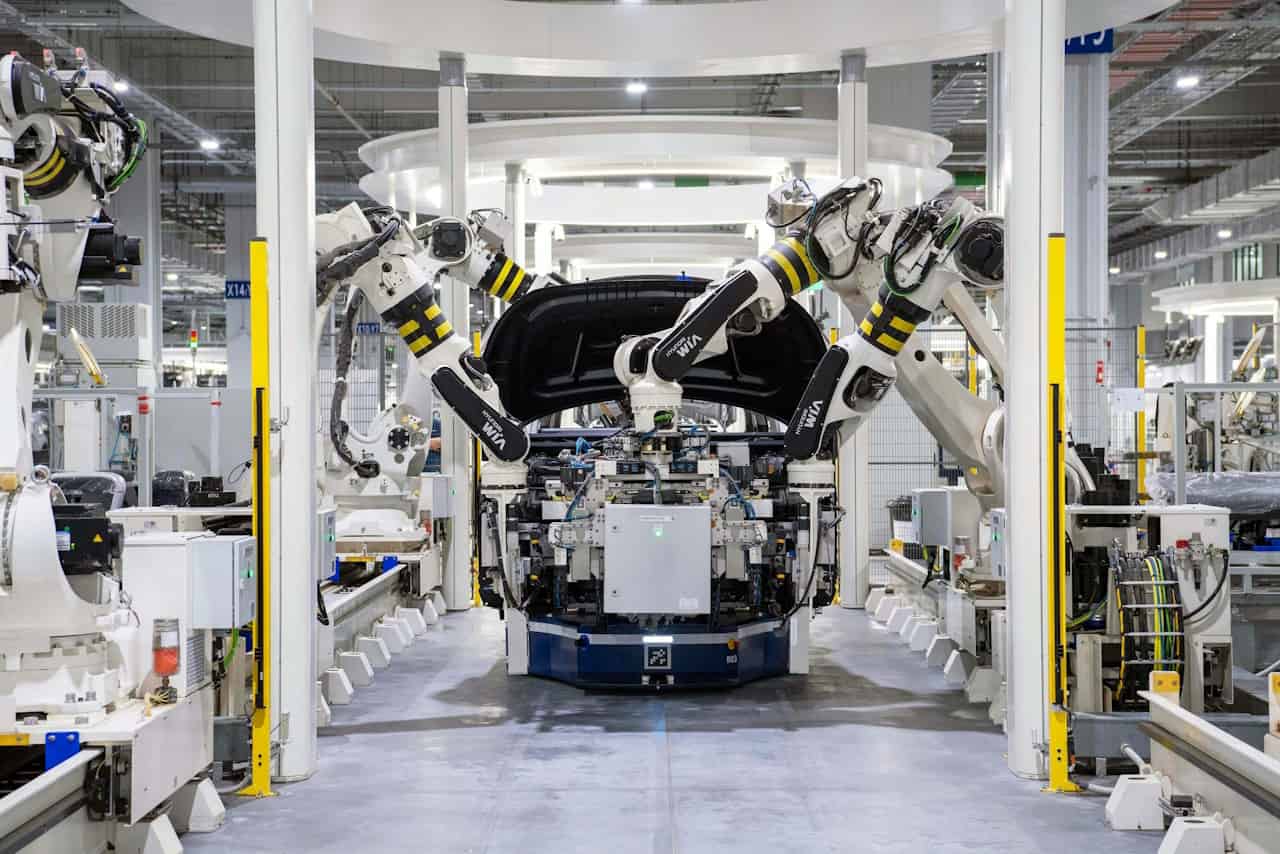
Automotive manufacturing demands high-volume efficiency, just-in-time material flow, and uncompromising quality standards. ERP and MRP software must synchronise production, suppliers, and quality processes to maintain output, consistency, and compliance.
Automotive manufacturers operate in fast-paced, high-volume environments where production delays and quality issues carry significant cost. ERP and MRP software enables precise production planning, real-time material requirements planning, and seamless supplier integration to support just-in-time manufacturing. With embedded quality management and full traceability, manufacturers can meet industry standards such as IATF 16949 while maintaining complete visibility over costs, margins, and production performance across every line and programme.
Automotive manufacturing requires efficient inventory management to avoid overstocking or shortages. Real-time stock control ensures that parts are available when needed and reduces waste.
Automotive production is often high-volume and requires precise tracking of orders from raw materials to finished vehicles. This ensures that production schedules are met and that customer demands are fulfilled on time.
Automotive manufacturing requires strict adherence to standards such as IATF 16949. ERP systems embed quality processes, control plans, and corrective actions directly into production workflows, reducing defects and ensuring compliance.
In large automotive plants, access to sensitive data must be controlled. Role-based permissions ensure that only authorised personnel can view or modify critical information, enhancing security and compliance.

Automotive manufacturers operate in fast-moving production environments where efficiency, consistency, and supply chain coordination are critical. High part volumes, tight delivery schedules, strict quality expectations, and complex supplier networks can create significant pressure across the entire operation. When production data is spread across disconnected systems or manual processes, it becomes harder to maintain visibility, respond quickly to issues, and keep output aligned with customer and programme demands.

ERP systems help automotive manufacturers connect production planning, stock control, purchasing, quality processes, and supplier coordination within one platform. This gives teams better visibility across the factory and supply chain while helping to keep production moving efficiently and consistently.
By integrating scheduling, traceability, inventory management, and operational reporting, automotive manufacturers can reduce delays, improve material availability, and respond faster to disruptions. This supports stronger production control, better delivery performance, and more reliable output in environments where timing, repeatability, and quality all matter.

A fully featured, cloud hosted ERP platform with everything you need for easy order management, total quality control and traceability, trusted by manufacturers across the UK.
From £45pcm / user *

* Priced at 100 users - contact us for a quote.

Keep your Customers and Suppliers updated on all open order lines with ease, view current and historic quality documents, and gain valuable oversight on your business.
From £150 / month *

* Standard pricing shown, £50pcm surcharge for API add-on.
Learn more about how modern ERP and MRP systems support automotive manufacturers through improved production visibility, traceability, and supply chain control.
Here are some common questions about ERP software for automotive manufacturers.
Automotive manufacturers typically need production planning, stock control, supplier management, traceability, and quality management in one system. These features help support fast-moving operations while maintaining visibility and control across the production process.
ERP systems track materials, batches, components, and production activity from receipt through to manufacture and dispatch. This gives manufacturers a clear production history and helps support quality control, accountability, and issue investigation.
Yes. ERP systems improve supply chain coordination by connecting purchasing, inventory, supplier data, and production planning. This helps businesses manage lead times more effectively, reduce shortages, and keep materials aligned with manufacturing demand.
Production visibility helps manufacturers understand capacity, track progress, and respond quickly to delays or bottlenecks. In automotive manufacturing, where output and timing are closely monitored, this visibility is essential for maintaining delivery performance and operational efficiency.
ERP systems bring together inspections, non-conformance records, material tracking, and production data in one place. This helps automotive manufacturers identify issues earlier, maintain consistent standards, and reduce the risk of defects moving further through the process.
QCS Hub is a modern ERP platform designed specifically for precision engineering and regulated manufacturing environments.
Explore QCS HubTell us a little about your business and we'll be in touch.